
A New Model of Heart Disease: Moving Beyond the Cholesterol-Only Theory
— Edwin J. Supit, M.D.

For decades, the public has been told a simple story about heart disease: saturated fat and cholesterol build up in your arteries like sludge in a pipe, eventually causing a heart attack. This “clogged-pipe” theory, while intuitive, is fundamentally incomplete and has failed to stem the tide of cardiovascular disease.
A more compelling and scientifically robust model is emerging, one that shifts the focus from cholesterol itself to a cascade of events involving inflammatory damage, arterial weakness, and nutritional deficiency. This new paradigm not only explains the failures of the old theory but also opens up more effective avenues for prevention and healing.
The Fatal Flaw in the Old Theory: Why Veins Don’t Clog
If high cholesterol alone was the cause of atherosclerosis, we would expect to see plaques forming uniformly throughout our entire circulatory system. Yet, we observe a critical paradox: Atherosclerotic plaques almost exclusively form in high-pressure, turbulent-flow arteries, like the coronaries. They almost never form in low-pressure veins, despite the same cholesterol-rich blood flowing through them.
This observation is the first clue that the problem is not just the “passenger” (cholesterol) but the “road” itself. Arteries are dynamic, living tissues subjected to immense mechanical stress. This stress exposes an inherent weakness in the arterial wall, which is the true root of the disease.
The New Paradigm: The Response-to-Injury and the True Culprit
The modern understanding is best described by the “Response-to-Injury” Hypothesis, which unfolds in three critical stages:
1. The Initial Insult: Endothelial Injury.
The delicate inner lining of our arteries, the endothelium, is damaged by:
- Hemodynamic Stress: The relentless pounding of blood pressure, (especially when arterial wall collagen integrity is weakened in vitamin C deficiency).
- Oxidative Stress: Free radicals from metabolism, smoking, and—critically—from the oxidation of dietary fats within our own lipoproteins.

2. The Surprising Culprit: Pro-Inflammatory Unsaturated Fats.
The primary dietary driver of this oxidative damage is not what we were taught. The main culprit is the overconsumption of Linoleic Acid (LA), an omega-6 polyunsaturated fat (PUFA) that is highly unstable.
- When consumed in excess, LA (linoleic acid, omega-6 fat) is incorporated into LDL particles and cell membranes.
- This incorporated LA is highly susceptible to lipid peroxidation—it becomes rancid, creating toxic, pro-inflammatory compounds like oxidized LDL (oxLDL).
- It is this oxidized LDL that the body’s immune system recognizes as “foreign.” Immune cells (macrophages) engulf oxLDL, and they turn into “foam cells” that further fill the cracks of the damaged arterial wall and accumulate to form the core of atherosclerotic plaque. The plaques are further held in place with a sticky Band-Aid “patch” called Lipoprotein(a) [Lp(a)].
The primary sources of this excess LA (linoleic acid, omega-6 fat) are not animal fats, but rather industrial seed oils like corn, soybean, and sunflower oil, which have become ubiquitous in the modern processed food diet.
3. The Structural Weakness: The Critical Role of Vitamin C and Collagen.
The arterial wall is not a passive pipe; it’s a strong, connective tissue structure that requires constant maintenance. Its integrity depends on a steady supply of Vitamin C.
- Vitamin C is an essential cofactor for the synthesis of strong, stable collagen, the structural scaffold of the artery.
- In a state of chronic Vitamin C deficiency, collagen repair is impaired. The arterial wall becomes structurally weak, like a wall with crumbling mortar, making it susceptible to micro-tears and damage from pressure and turbulence.
- These wall weakness and micro-damages become sites that invite plaque formation. The body attempts to temporarily fill-in the cracks with “foam cells” (ladened with oxLDL), and temporarily patch these weak spots with a “repair molecule“—Lipoprotein(a) [Lp(a)], (until the system can properly replenish vitamin C and restore collagen of the damaged walls). However, in the absence of vitamin C and impaired collagen repair, this patch becomes permanent, driving further inflammation and plaque growth.
This model explains why animals that produce their own vitamin C are highly resistant to atherosclerosis, and why inducing vitamin C deficiency in animal models produces arterial lesions.
The Evidence: Connecting the Dots
This integrated model is supported by a growing body of evidence:
- Linoleic Acid in Plaques: The omega-6 fat linoleic acid is the most abundant oxidized fatty acid found in human atherosclerotic plaques, and it is primarily derived from the diet.
- Animal Models: Mice genetically modified to mimic human metabolism (unable to synthesize Vitamin C) develop severe aortic damage when deficient, which is prevented with supplementation.
- Lp(a) and Vitamin C: High-dose intravenous Vitamin C has been shown in clinical reports to significantly reduce Lp(a) levels, likely by improving underlying collagen integrity and reducing the need for this faulty repair mechanism.
A New Prescription for Prevention: Reducing Damage and Building Resilience
This new model leads to a fundamental shift in dietary and lifestyle recommendations, focused on reducing inflammatory drivers and building a resilient arterial system.
1. Eliminate the Primary Source of Damage: High-LA Seed Oils.
The single most important step is to drastically reduce your intake of linoleic acid (proinflammatory, oxidizable omega-6 fat). This means completely avoiding:
- Corn, Soybean, Canola, Sunflower, and Safflower Oils.
These oils are hidden in nearly all processed foods, restaurant meals, condiments, and dressings. Read labels meticulously.

2. Be Cautious with All Concentrated Oils, Including “Healthy” Ones.
It is a misconception that all plant oils are benign. From a pure LA(linoleic acid, omega-6 fat) content perspective, even “healthy” oils are significant sources of this oxidizable fat.
Linoleic Acid Content (g/100g)
| Oil/Fat Source | Linoleic Acid (g/100g) |
| Corn Oil | ~58.0 g |
| Soybean Oil | ~51.0 g |
| Sesame Oil | ~41.0 g |
| Canola Oil | ~20.0 g |
| Avocado Oil | ~12.5 g |
| Olive Oil | ~9.8 g |
| Chicken Fat | ~9.5 g |
| Butter | ~2.2 g |
| Coconut Oil | ~1.8 g |
| Beef Tallow | ~0.9 g |
| 80% Lean Beef | ~0.6 g |
Source: USDA FoodData Central.
Prioritize getting your fats from whole foods rather than concentrated oils.
3. Prioritize Stable, Saturated Fats for Cooking.
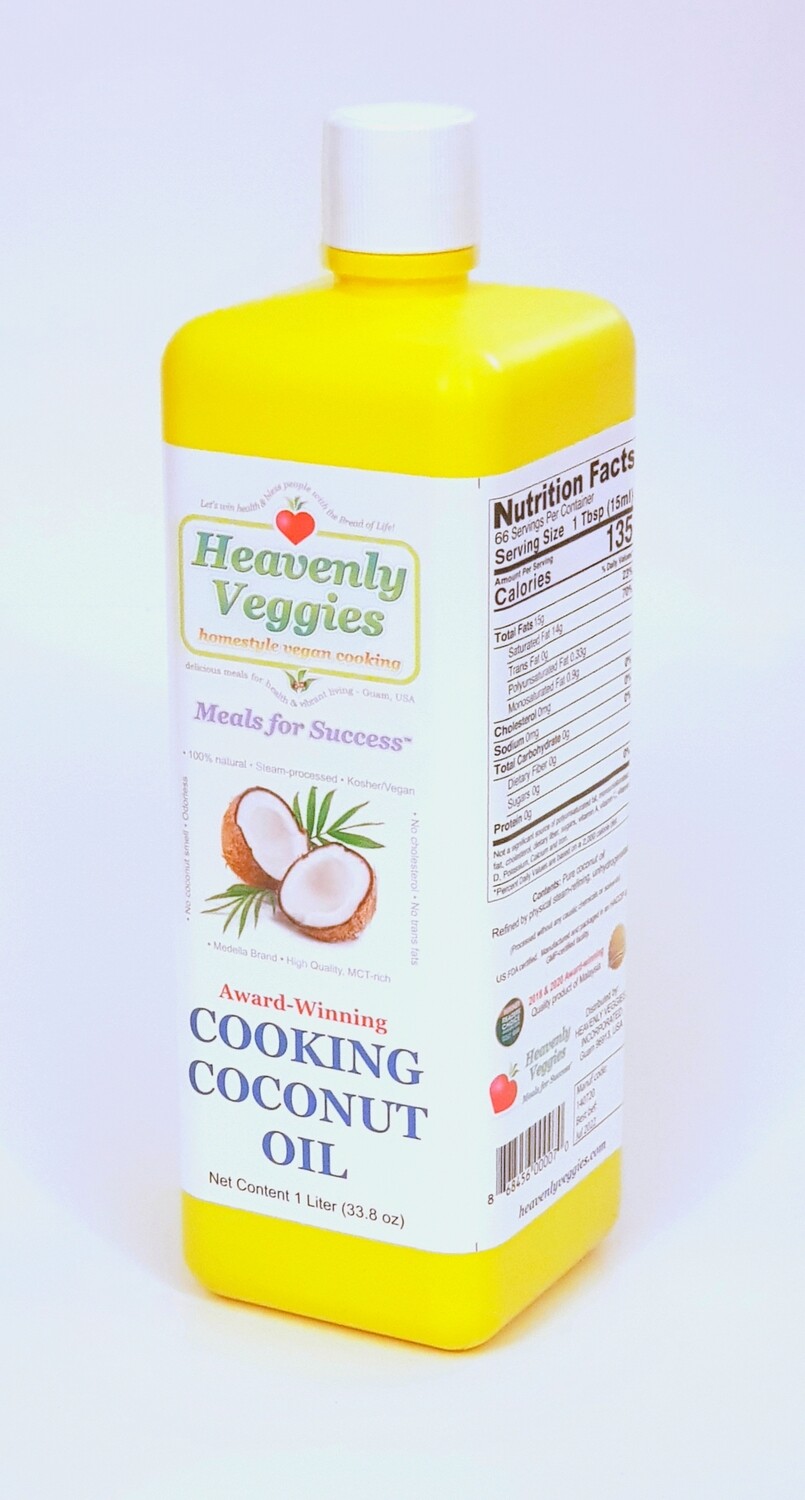
For cooking, especially at high heat, choose fats that are chemically stable and low in LA. These fats are far less likely to oxidize and cause damage: (historically these include beef tallow, butter/ghee, and coconut oil); but in today’s evolving health demands, for those who prefer a safer, plant-based option, coconut oil may be a preferable option based on research.
4. Support Arterial Integrity with Vitamin C and Collagen Cofactors.
Ensure optimal intake of the nutrients required to maintain a strong arterial wall:
- Vitamin C: Consume daily from foods like bell peppers, kiwi, citrus fruits, and broccoli. Consider supplementation if dietary intake is low.
- Collagen Cofactors: Ensure adequate protein intake, including the amino acids lysine and proline, which are the building blocks of collagen.
5. Embrace a Whole-Food, Low-Inflammatory Diet.
Build your diet around whole, unprocessed foods: preferably plant whole foods, grains, legumes, seeds, roots, vegetables, and fruits. This naturally reduces your LA intake while providing abundant antioxidants and essential nutrients. Consult your physician regarding additional supplements (omega-3 supplements, resveratrol, alpha-lipoic acid, vitamin E, turmeric, etc.)
Conclusion
The journey to understanding heart disease is moving from a simplistic “plumbing problem” to a sophisticated story of biological vulnerability. The real battle is not against cholesterol itself, but against the inflammatory and oxidative forces that injure our arteries and the nutritional deficiencies that prevent their repair. By focusing on a diet that eliminates the primary sources of oxidative damage—industrial seed oils—and provides the raw materials for arterial strength, we can address the root causes of atherosclerosis and build a truly resilient cardiovascular system.
Scientific References
- The Response-to-Injury Hypothesis:
Ross, R., & Glomset, J. A. (1976). The Pathogenesis of Atherosclerosis (Part 1). New England Journal of Medicine, 295(7), 369–377. - Linoleic Acid as the Primary Dietary Driver:
DiNicolantonio, J. J., & O’Keefe, J. H. (2018). Omega-6 vegetable oils as a driver of coronary heart disease: the oxidized linoleic acid hypothesis. Open Heart, 5(2), e000898.
Tsimikas, S., & Witztum, J. L. (2001). The role of oxidized phospholipids in atherogenesis. Journal of Lipid Research, 42(9), 1358–1362. - Vitamin C, Collagen, and the Arterial Wall Theory:
Rath, M., & Pauling, L. (1990). Hypothesis: Lipoprotein(a) is a surrogate for ascorbate. Proceedings of the National Academy of Sciences of the United States of America, 87(16), 6204–6207.
Maeda, N., Hagihara, H., Nakata, Y., Hiller, S., Wilder, J., & Reddick, R. (2000). Aortic wall damage in mice unable to synthesize ascorbic acid. Proceedings of the National Academy of Sciences of the United States of America, 97(2), 841–846. - USDA Nutritional Data:
U.S. Department of Agriculture, Agricultural Research Service. FoodData Central. [Data sourced for specific food items, including Olive Oil (fdcid: 171413), Avocado Oil (fdcid: 171412), Chicken Fat (fdcid: 174692), 80% Lean Beef (fdcid: 174036)].